By Lesiba Machaka
South Africa’s 2026/2027 Budget Speech has placed the country’s economic direction under intense scrutiny, as government attempts to balance social support, economic growth and fiscal discipline.
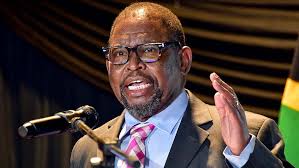
Delivering the budget in Parliament, Finance Minister Enoch Godongwana outlined how government plans to stabilise public finances while supporting millions of vulnerable citizens.

“We have reached an important turning point in the management of our public finances,” Godongwana told Parliament, noting that government reforms are beginning to restore fiscal stability.
Here are five key takeaways from the 2026/2027 Budget Speech.
1. The R370 Social Relief of Distress Grant Continues
One of the most closely watched announcements was the continuation of the R370 Social Relief of Distress (SRD) grant, which supports millions of unemployed South Africans.
Government has allocated additional funding to continue the grant for another year while discussions continue about a permanent income support system.
During the budget address, Godongwana confirmed that “the social relief of distress continues in its current form over the year ahead.”
However, debates continue about whether the grant could eventually evolve into a basic income support programme for working-age adults.
2. Social Grants Increase for Millions
Government will spend about R292.8 billion on social grants, supporting more than 26 million South Africans.
Key increases include:
- Old age grant: R2 400 per month
- Disability grant: R2 400
- Child support grant: R580
- Foster care grant: about R1 300
“These programmes form part of the social wage that protects the most vulnerable,” Godongwana said, emphasizing that social protection remains a core government priority.
3. Economic Growth Remains Slow
National Treasury expects the economy to grow by around 1.6% in 2026, reflecting modest improvement after several years of weak growth.
Economists say the pace of growth remains too slow to meaningfully reduce unemployment.
According to economic analysts cited in mainstream media, the budget signals stability rather than dramatic change, focusing on fiscal discipline and structural reforms.
4. Government Debt Still a Major Challenge
Despite signs of improvement, government debt remains one of the biggest pressures on public finances.
Godongwana said the country’s fiscal reforms are beginning to stabilise the situation.
“For the first time in 17 years, debt will stabilise and continue to fall in the coming years,” he said during the budget speech.
However, a large portion of government spending still goes toward servicing debt rather than funding services such as education and healthcare.
5. Support for Small Businesses and Investment
The budget also introduced measures aimed at stimulating investment and supporting entrepreneurs.
Among the changes is an increase in the VAT registration threshold for small businesses, which will rise from R1 million to R2.3 million, reducing administrative pressure on small enterprises.
Government believes such reforms will help create a more supportive environment for small businesses and economic growth.
Why the Budget Matters
The national budget is more than a financial statement. It sets the direction for government spending and reflects how the country plans to address economic challenges.
For ordinary South Africans, the decisions announced during the budget speech influence taxes, social grants, infrastructure spending and the overall cost of living.
As the country navigates economic uncertainty, the 2026/2027 budget reflects government’s effort to balance economic reform with social protection for millions of citizens.