
By Benjamin Olivier & Alizwa Njovana
Vaping, once sold as a safer alternative to cigarettes, is now trapping South Africans into serious nicotine addiction. What started as a cool way to puff fruity clouds has turned into a full-blown crisis. According to market research, the global e-cigarette and ‘choef’ market is expected to be worth about US$ 45.74-billion in 2025 – roughly R780-billion at current exchange rates. And young people are its favourite customers.
A University of Cape Town study of around 25 000 learners at 52 high schools found that about 16.8% were current vapers and more than a third had tried vaping at least once. Almost half of those who vaped, said that they took their first puff within an hour of waking up – a strong sign of addiction. Among students aged 18–25, another UCT survey found that 42% used e-cigarettes, with higher use among males.

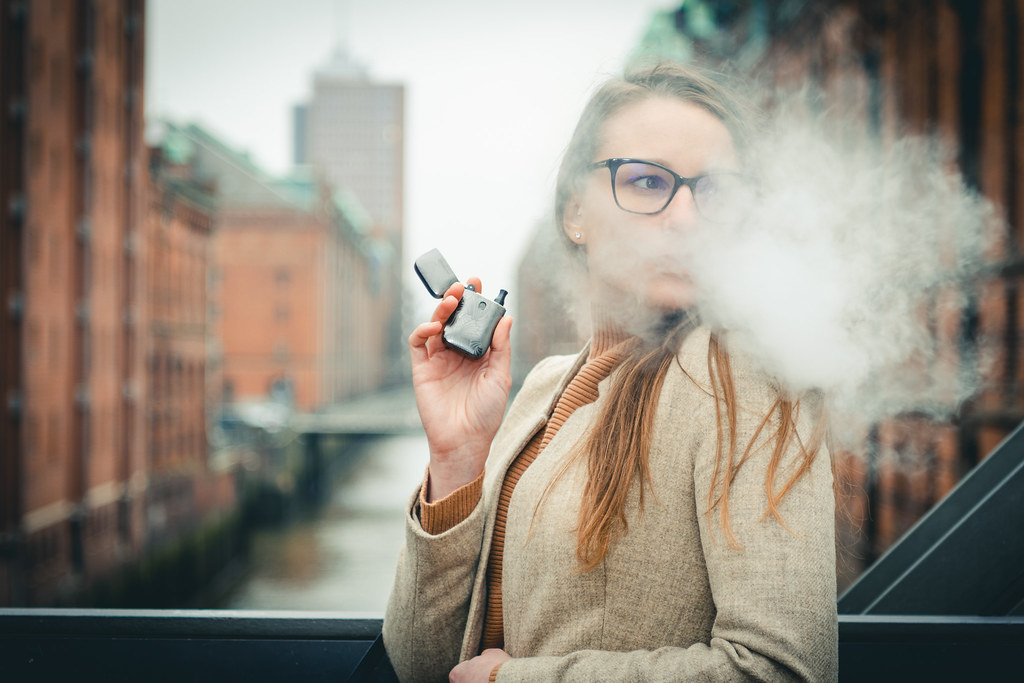
Vapes work by heating a liquid that usually contains propylene glycol or glycerol, flavouring agents and nicotine. The sleek designs and fruity flavours make them easy to love – and easy to underestimate.
“Vaping makes me look cool,” says Nelson Mandela University student Zuks Manase. He said hygiene was the selling point. Vaping doesn’t leave his clothes smelling like smoke or stain his fingers and lips the way cigarettes do. Some students even use vapes to control their appetite, chasing nicotine’s appetite-suppressing effect. Companies like VapourTrim have marketed vaping as a weight-loss tool, fuelling even more myths.
But behind the pastel colours and pineapple-ice flavours are some harsh realities.
According to UCT pulmonologist Professor Richard van Zyl-Smit, vaping is linked to emphysema, heart disease, cardiac arrest and breathing problems. It can also harm concentration, memory and brain development in young people.
The enticing flavours come with their own risks: diacetyl has been linked to so-called “popcorn lung”, cinnamon can damage the tiny hairs in your lungs, and cherry flavour can trigger inflammation.
“Many other flavours haven’t been tested, and that doesn’t mean they’re safe,” warns van Zyl-Smit.
The reasons young people ‘choef’ are messy and mixed. Some do it because their friends do, or because it looks fun in TikTok videos and Instagram stories. Others vape to cope with stress, anxiety, depression or boredom. Many honestly believe it’s “safer than cigarettes”, especially when it’s marketed as a way to quit smoking or lose weight.
As more teens go online younger, social media gives vape brands a massive marketing playground – from influencer content to discount codes and aesthetic “cloud” videos.
South Africa’s current Tobacco law does not properly cover vapes, and companies have been exploiting that gap ever since. A new Tobacco Products and Electronic Delivery Systems Control Bill aims to regulate e-cigarettes, especially for under-18s and in public spaces, but it is still making its way through Parliament.
How to know if you’re addicted
If you reach for your vape before you check your messages, feel moody or restless when you cannot vape, promise yourself you will “only do it socially” but keep hitting it alone, hide how much you are using from friends or family, or have tried to stop and just could not do it, chances are this is more than “just for fun”.
The good news? You can quit. It’s not easy, but it’s doable – and the earlier you start, the better your body and brain recover.
Step one: get brutally honest
Quitting starts in your head, not in your hands. Be honest about what vaping is doing to you – not just to “people in general”. Nicotine acts directly on your prefrontal cortex, the part of your brain that helps you focus, make decisions and control impulses. In teenagers and young adults, it can mess with attention and memory, make studying harder and contribute to stress and mood swings when you do not get your fix. On top of that, there is the simple reality of what it is doing to your lungs and heart, and the money your vape is quietly swallowing every month. Add up what you spend on devices, pods and juice – seeing the number in black and white can be a shock, and a great motivator.
Step two: clear your space
Once you have decided you want out, your environment needs to match. Go through your room, bag, car and pockets and collect every vape-related item you own – devices, pods, chargers, bottles. Do not keep a “backup” for bad days. Bin it. Clean the spaces where you usually keep or use your vape. Not having a device lying on your desk or in your hoodie pocket removes half the temptation. You will still think about vaping, but you will have to go out of your way to get one, and that pause gives your better judgment a chance to kick in.
Step three: tell on yourself
Telling other people that you are quitting, can make all the difference. Tell a friend, partner or family member that you are done and you need their support. If you are feeling brave, post it on your social media. By going public, you build accountability. It is harder to pick up a vape again when you know people are watching and rooting for you. It also gives your friends a chance to avoid vaping in your face, or to check in when they see you struggling.
Step four: don’t quit alone
Everyone has that friend who says, “I’ll quit when you quit.” This is the time to call them on it. Ask them to do this with you. Quitting with someone else turns a lonely, silent struggle into a team effort. You can share how you are feeling, laugh at the cravings, distract each other and celebrate milestones like one day, one week, one month. Shared struggle is powerful. You are far less likely to give in on a bad day if you know someone else is pushing through the same cravings with you.
Step five: swap the habit, not just the vape
Vaping is not only about nicotine; it is also about what it gives you: a break, a ritual, something to do with your hands when you are anxious or bored. If you do not replace that, quitting can feel like a big, empty hole. Try building new mini-rituals. Take a quick walk when you would usually step out to vape. Keep gum, a stress ball or a pen to fiddle with when your hands feel “itchy”. Breathe deeply a few times instead of drawing on the device. Call or voice note a friend during your old “vape breaks”. You are not just cutting something out; you are swapping it for healthier versions of the same relief.
Step six: move your body
You do not necessarily have to join a gym or become a marathon runner. Just move more than you did when you were lying on your bed, pulling on a vape and scrolling reels. Start with short walks around the block or campus. Take stairs instead of the lift. If you feel up for it, try jogging, cycling or a casual social sport. Exercise boosts your mood, helps your lungs start to repair and gives you something to do when cravings hit. That rush you get after a good walk or run can slowly replace the nicotine buzz and remind you what your body can feel like without all that aerosol in your chest.
Step seven: get professional backup
“It is ideal for anyone wanting to stop smoking to visit a counsellor or school psychologist,” says Professor Van Zyl-Smit.
A doctor, psychologist or counsellor can help you understand your addiction, suggest safe quitting aids like nicotine patches or gum, and support you through withdrawals and relapses.
Most universities have campus health services or counselling centres; public clinics can also provide advice or referrals to chuck the ‘choef’.
For further help tackling a smoking addiction, log on to smokefree.gov.
Article provided courtesy of the Khulani! Youth Journalism project