By Luvolwethu Ngani
A group of 171 Malawian nationals arrived back in Malawi on Tuesday, 23 June, under a government-led repatriation programme as concerns over anti-immigrant violence and growing tensions in parts of South Africa continue to affect foreign nationals.
The latest group forms part of ongoing efforts by the Malawian government to assist citizens who have requested help to return home following incidents of xenophobic intimidation and unrest in several parts of South Africa. Recent tensions, including the deaths of two Mozambican nationals in Mossel Bay in the Western Cape, have heightened fears among some migrant communities.

Many of those returning are believed to have been staying in temporary shelters after leaving affected communities. Malawian authorities have previously indicated that some of their citizens were among foreign nationals who sought refuge in emergency accommodation during periods of unrest.
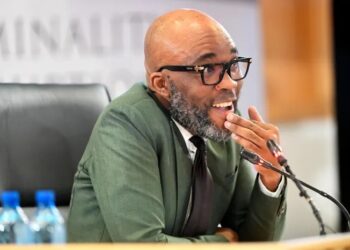
Speaking to Bongani Bingwa on 702, KwaZulu-Natal Premier Thami Ntuli said the repatriation process remains challenging, particularly where logistical support is limited.
“The only unfortunate part is that the Malawian government is not providing enough transport for them to be repatriated. As a result, a different approach had to be used, not only for repatriation but also for deportation. That is a process that has to go through the courts and government,” said Ntuli.
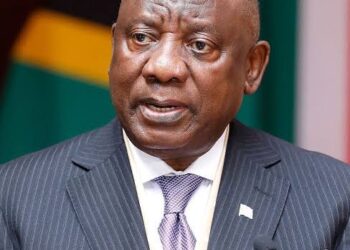
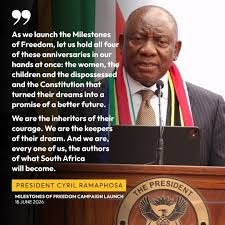
The issue of undocumented migration has also featured prominently in government discussions. During his recent State of the Nation Address, President Cyril Ramaphosa outlined measures aimed at strengthening the country’s response to illegal migration while warning against vigilantism and attacks on foreign nationals.
“There is no space for xenophobia, racism, sexism, Afrophobia or any other forms of intolerance in the country,” Ramaphosa said.
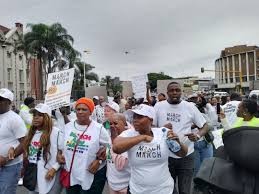
Meanwhile, Acting Police Minister Firoz Cachalia said government had strengthened security measures ahead of the planned 30 June “March and March” national shutdown amid concerns over possible unrest. Reports that approximately R600 million had been allocated for private security services have generated public debate.
Cachalia said authorities were determined to prevent a repeat of the widespread unrest experienced in July 2021.
“We have learnt from what happened in 2021. A lot of planning has been done, and we must assure you that this time we are ready to ensure that the nation is protected and that property is protected,” he said.
Government officials have also called for greater regional cooperation to address migration challenges while protecting the rights and dignity of migrants. They argue that long-term solutions require addressing the economic and social conditions that continue to drive migration across Southern Africa.
As repatriation efforts continue, the situation has once again highlighted the complex relationship between migration, economic hardship and social tensions in the region, issues that extend far beyond South Africa’s borders.