Zanele Makola
South Africans are expected to head to the polls on 4 November 2026 in a pivotal local government election that could significantly shape the future of municipal governance across the country.
The elections will determine leadership in municipalities and major metros, including Johannesburg, where residents continue to face challenges linked to poor service delivery, deteriorating infrastructure, and ongoing water shortages.

The Independent Electoral Commission (IEC) has already begun preparations for the elections, announcing that a national voter registration weekend will take place on 20 and 21 June 2026. The initiative is aimed at ensuring that all eligible South Africans are registered to vote ahead of the polls.
IEC Chief Electoral Officer Sy Mamabolo said the registration weekend marks the beginning of a broader electoral preparation process.
“We’ve announced the first registration weekend for the 20th and 21st of June, where, after the conclusion of the registration processes, the Commission will then have to issue an election timetable, which will set out time periods for the performance of certain electoral processes related to the preparation for the 2026 local government elections,” Mamabolo said.
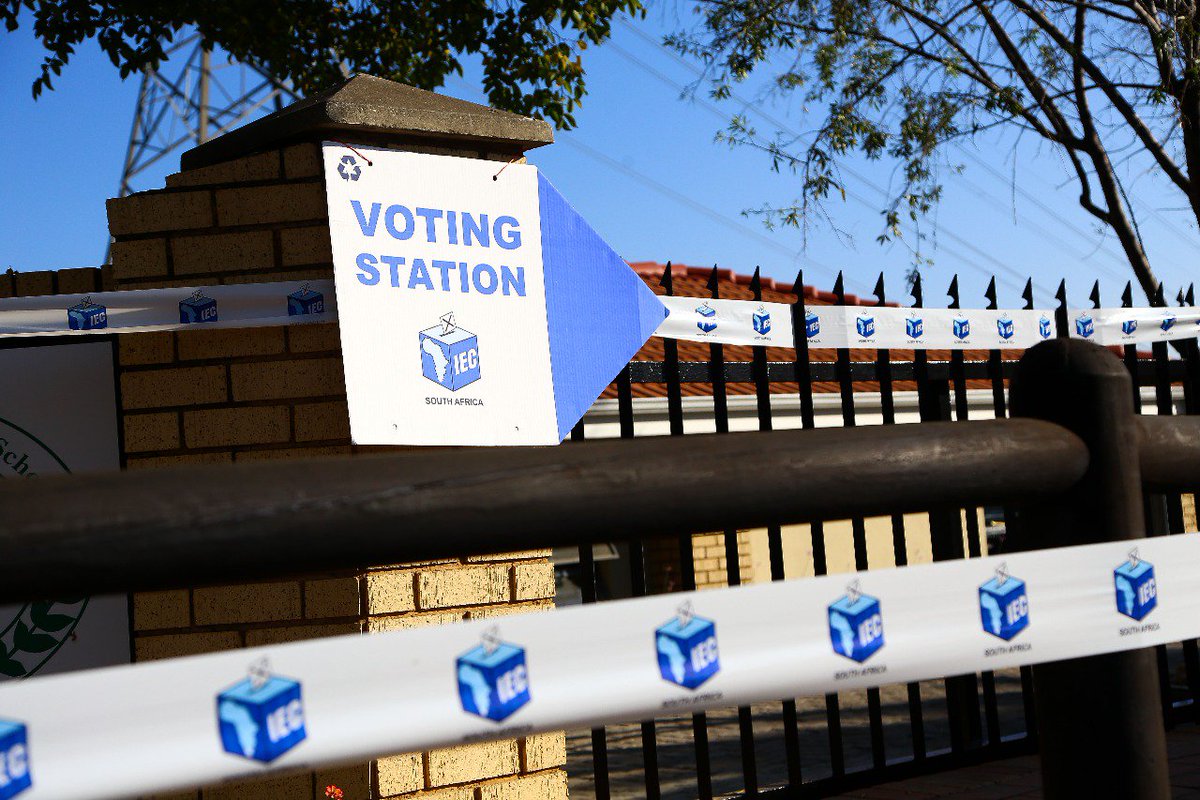
Millions of South Africans are expected to cast their votes at polling stations nationwide to elect municipal leaders responsible for delivering essential services and overseeing local governance.
Political parties have already intensified their campaigning efforts as they seek to secure outright majorities and avoid unstable coalition governments that have affected several municipalities in recent years. Campaigns are expected to focus heavily on issues such as electricity supply, refuse removal, housing backlogs, water infrastructure, and public safety.
As municipalities remain responsible for providing critical services, including water, sanitation, roads, and local economic development, the outcome of the elections is expected to have a direct impact on communities across the country.
Political analysts believe the 2026 local government elections could also serve as a key indicator of broader political trends, particularly as smaller parties and independent candidates continue gaining traction in highly contested municipalities.
President Cyril Ramaphosa has urged citizens to participate actively in the democratic process.
“These elections are an opportunity for every South African to shape the future of their communities and to ensure accountable, effective local governance,” Ramaphosa said.
With frustration over municipal performance continuing to grow in many parts of the country, voter turnout and civic participation are expected to play a decisive role in determining whether the next term of local government delivers greater stability and improved service delivery.