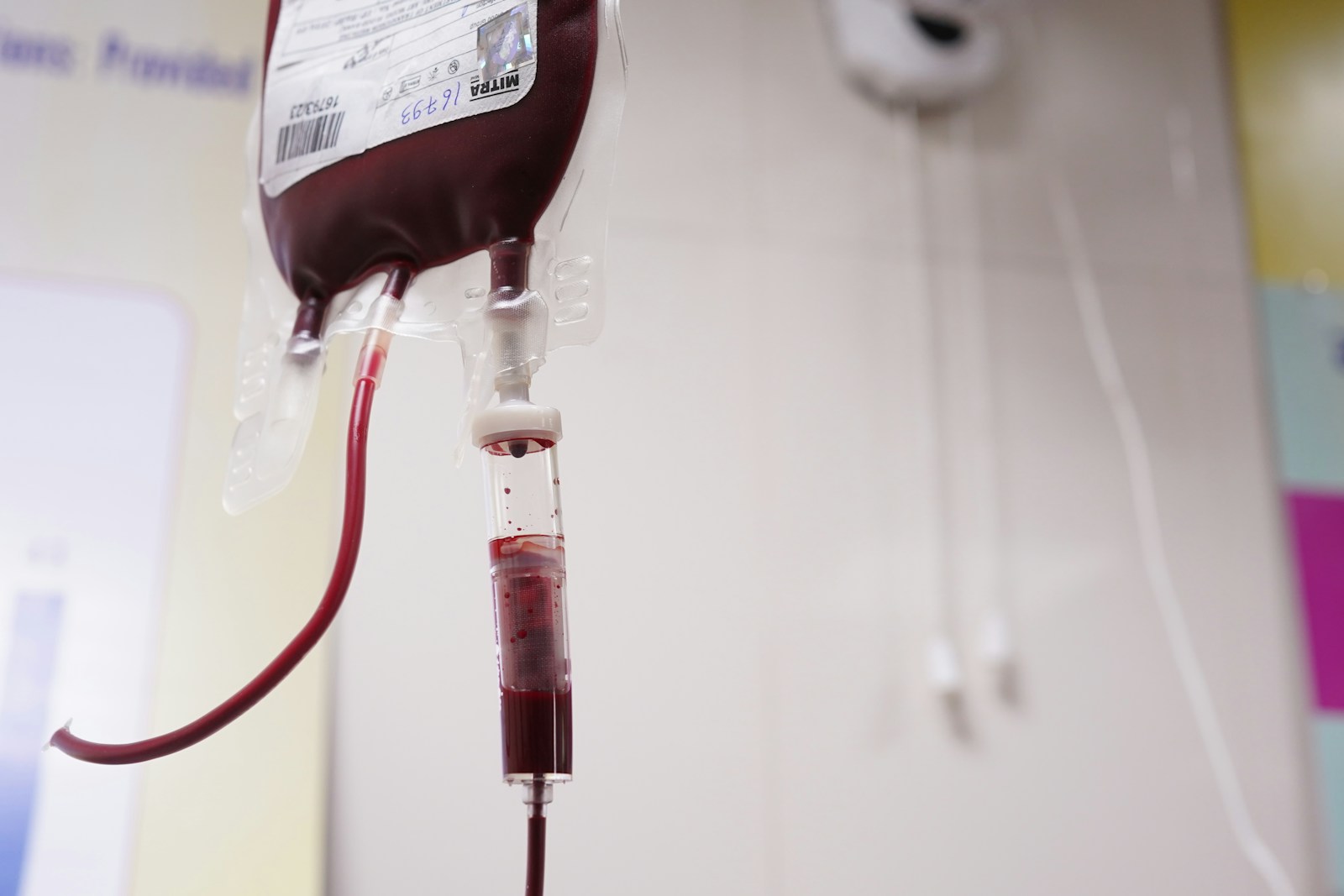
South Africa has spent the past week intensifying national efforts ahead of World Blood Donor Day, observed globally on 14 June, with a strong emphasis on youth participation and alignment with the World Health Organization’s (WHO) 2026 theme, “Give Blood, Give Hope.”
The week‑long build‑up saw coordinated campaigns by the South African National Blood Service (SANBS) and the Western Cape Blood Service (WCBS), supported by national media, universities, workplaces, and community organisations.
The World Health Organization used this year’s commemoration to highlight the growing need for voluntary, unpaid blood donors, particularly among young adults.

WHO officials noted that safe blood remains essential for emergency care, maternal health, cancer treatment, and chronic disease management, urging countries to invest in sustainable donor programmes.
South Africa’s youth‑focused messaging mirrors WHO’s global appeal, positioning young adults as the backbone of future blood supply systems.

SANBS Celebrates 25 Years of Service
SANBS marked a major milestone this week with the launch of its anniversary campaign, “Be The Lifeline – Give Blood. Give A Tomorrow.”
The campaign features real stories from donors and recipients, highlighting the life‑saving impact of each unit of blood.
SANBS leadership reiterated the urgent need for younger donors, noting that consistent participation from students and early‑career professionals is key to long‑term sustainability.
Throughout the week, South African media platforms amplified stories of long‑standing donors, first‑time student donors, and patients whose lives were saved through transfusions.
Public education segments focused on donor eligibility, safety protocols, and the critical reminder that there is no substitute for human blood.
With SANBS celebrating 25 years and WHO calling for renewed global commitment, this year’s World Blood Donor Day has become a moment of reflection and mobilisation for South Africa.
Donation centres across the country reported increased foot traffic, particularly from tertiary students and young professionals, signalling a growing culture of voluntary donation among younger demographics.