GAUTENG: Nearly 200,000 women in Gauteng underwent cervical cancer screening during the 2025/26 financial year, marking a 29% increase in the number of women accessing the potentially life-saving service.
The Gauteng Department of Health (GDoH) recorded 198,611 screenings during the financial year, compared with 153,703 in 2024/25. This represents an increase of 44,908 screenings.
The increase has been welcomed by health officials, who say early detection remains critical in preventing cervical cancer and improving treatment outcomes.

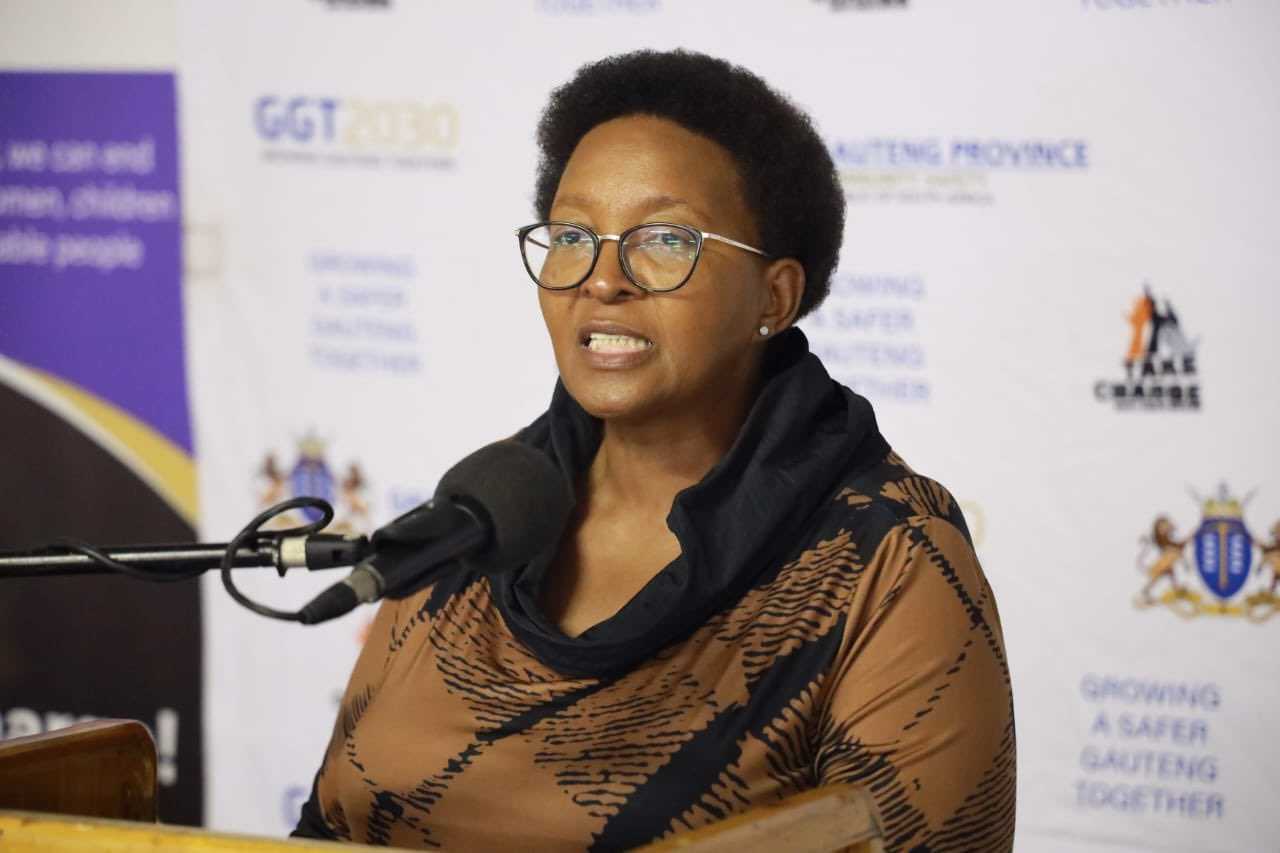
During the National Women’s Day commemoration at the Union Buildings in Pretoria on Sunday, 9 August, Gauteng Health and Wellness MEC Faith Mazibuko said the increase demonstrated the importance of improving awareness and access to healthcare services.
“The increase is encouraging, but our work will continue until every eligible woman understands the importance of screening and can access the service,” said Mazibuko.
The province attributed the increase largely to awareness campaigns introduced across all five districts from the third quarter of the 2025/26 financial year.
West Rand recorded the biggest improvement, while Ekurhuleni has been identified as an area requiring further efforts to encourage women to access screening services.
According to the World Health Organization (WHO), cervical cancer is one of the cancers that can be prevented and treated effectively when appropriate interventions are available.
The WHO has set a 90-70-90 target for 2030. The target calls for 90% of girls to be fully vaccinated against human papillomavirus (HPV) by the age of 15, 70% of women to be screened using a high-performance test by the ages of 35 and 45, and 90% of women identified with cervical disease to receive appropriate treatment.
The organisation has also emphasised that screening must be linked to effective follow-up and treatment. Detecting an abnormality is only beneficial if patients can access the care they need.
Prevention starts with young girls
Gauteng is also focusing on prevention among younger girls through its HPV vaccination programme.
During the 2025/26 financial year, 72,249 Grade 5 girls at public schools and a further 9,740 girls at independent schools received HPV vaccinations.
HPV is a common infection, and persistent infection with high-risk HPV types is responsible for almost all cervical cancer cases. Vaccinating girls before they are exposed to the virus can significantly reduce their risk of developing HPV-related cancers later in life.
As part of its vaccination drive, the Integrated School Health Programme (ISHP) is scheduled to run from 3 August to 9 October at participating independent primary schools across Gauteng.
Gauteng Health spokesperson Steve Mabona told Student Living SA that HPV vaccination and awareness programmes remain an important part of the province’s prevention efforts.
He urged eligible women to undergo regular screening and seek medical attention if they experience possible warning signs.
“Women are encouraged to seek medical attention if they experience abnormal vaginal bleeding. Parents are urged to sign the consent forms for the administration of the HPV vaccination at schools,” said Mabona.
“The HPV vaccine used in the public health programme, Cervarix, is safe and highly effective in protecting against these high-risk strains.”
The department also plans to strengthen community outreach by training Ward-Based Primary Health Care Outreach Teams to take information about cervical cancer prevention and screening directly to households.
The outreach could help women who struggle to reach health facilities, are unaware of available screening services or delay seeking care because they do not have symptoms.
For Gauteng, the challenge now is to maintain the momentum behind the 29% increase in screening while reaching women in areas where uptake remains low.
The success of the province’s cervical cancer programme will ultimately depend not only on the number of women screened, but also on whether those who require further care can access it and whether prevention and early detection lead to better health outcomes.