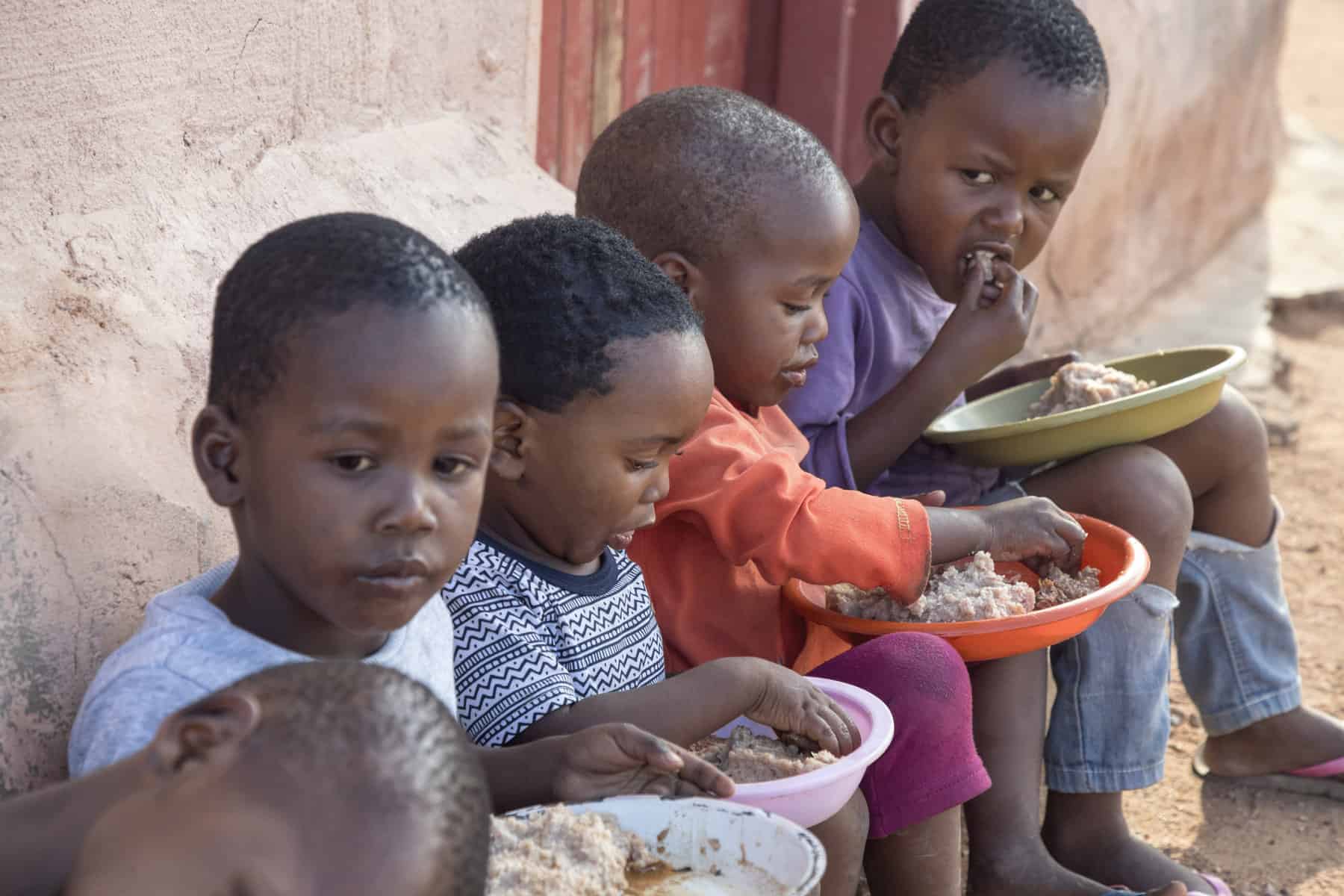
For a child, going without enough nutritious food is about more than an empty stomach. Poor nutrition during the earliest years of life can affect growth, learning and development, leaving consequences that may follow a child well into adulthood.
That is why concerns over child malnutrition in South Africa are increasingly being treated as a public health and education issue, rather than simply a problem of hunger.
UNICEF South Africa says more than a third of children under five are affected by undernutrition or are overweight, highlighting the country’s complicated nutrition picture. Food scarcity, infrequent meals and a lack of dietary diversity remain major obstacles to healthy childhood development.

The problem is particularly serious during the first years of a child’s life.
Stunting, which occurs when a child does not grow properly because of chronic undernutrition and other factors, can have long-term consequences. UNICEF describes good nutrition as a foundation for survival and development, noting that well-nourished children are better positioned to grow, learn and participate fully in their communities.
For families struggling to put food on the table, however, providing a balanced diet can be difficult. A household may have enough food to prevent a child from going hungry but still struggle to provide the variety of nutrients needed for healthy development. Cheap, filling foods can become the most accessible option when household incomes are under pressure.
The problem starts early
South Africa’s education authorities are increasingly recognising the connection between nutrition and learning.
In May, Basic Education Minister Siviwe Gwarube announced an Early Childhood Development Nutrition Pilot in the Eastern Cape aimed specifically at addressing hunger, malnutrition and stunting during the critical early years.
The pilot responds to findings that 7% of South Africa’s children are stunted due to malnutrition, according to data cited by the department.
The government has also been expanding access to registered ECD programmes, with more than 1.2 million children now accessing registered ECD programmes following a significant increase in registrations since 2021.
According to a 2024 Nelson Mandela Children’s Fund report in partnership with Deloitte, direct spending by government for child poverty reduction is R656 billion, which is at least 9.8% of the country’s gross domestic product (GDP).
“Child poverty spending is unpacked by apportioning the national budget spending on the poverty alleviation categories of community development; social cohesion and safer communities; health; basic education; and social protection,” the report reads.
Poor nutrition can affect educational outcomes and a person’s ability to reach their full potential. UNICEF estimates that investments aimed at preventing stunting can generate substantial economic returns because healthier children are more likely to complete their education and contribute to the economy later in life.
The challenge is therefore not simply to feed children today. It is to ensure that children have the nutrition they need to grow, learn and build healthy lives.
South Africa has programmes aimed at addressing the problem, but the success of those interventions will ultimately depend on whether they reach the children and families who need them most.
For a young child, the difference between having enough nutritious food and regularly going without can shape far more than the next day’s school lesson. It can influence the trajectory of an entire life.