By Boipelo Modise
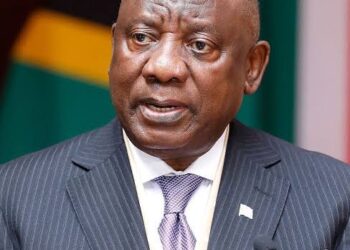
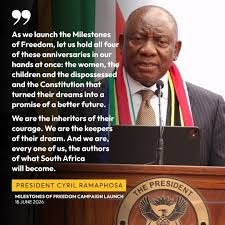
President Cyril Ramaphosa launched the Milestones of Freedom Campaign at the Union Buildings in Pretoria on Thursday, marking the start of a year-long national programme to commemorate key events in South Africa’s struggle for democracy.
The campaign runs under the theme “Honouring the Past. Delivering the Future.” It covers four anniversaries: the 50th anniversary of the 1976 Soweto Uprising, the 70th anniversary of the 1956 Women’s March, the 60th anniversary of the District Six forced removals, and the 30th anniversary of South Africa’s Constitution.

Ramaphosa said the country should not treat these anniversaries as distant history.
“When we remember these milestones, we do not see them as artefacts of the past. We see them as the foundations on which we need to build.”
He acknowledged that many South Africans still face daily hardship.
“There are still South Africans who go to bed hungry. Young people without work, communities living in fear of criminals, and there are still South Africans waiting for the dignity that freedom promised.”
But Ramaphosa also pointed to what democracy has delivered. Since 1994, millions of people who lived without electricity now have it. Millions who once carried water from distant rivers now have access to taps. Government has also built millions of homes, thousands of clinics and schools, and extended social grants to children, older persons and people living with disabilities.
On women, Ramaphosa said the doors that were once closed are opening. Women now hold leadership positions in government, courts, boardrooms and universities. Gender-based violence and femicide remain a national priority, and Ramaphosa said a country where women are not safe is a country that is not yet free.
The programme includes public dialogues, civic education, youth engagements, cultural events and commemorative activities at historic sites. Government departments, civil society organisations, educational institutions and community groups will carry out these activities over the next year.
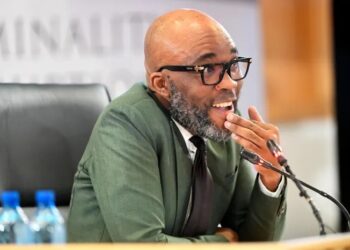
Deputy Minister in the Presidency Kenny Morolong said the campaign is a government-wide effort to deepen public understanding of South Africa’s democratic journey.
“The campaign honours the sacrifices of liberation heroes and encourages greater participation in shaping the country’s future,” Morolong said.
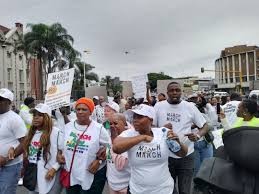
The launch also opened the national programme marking the 70th anniversary of the Women’s March. In 1956, more than 20 000 women marched to the Union Buildings to protest against pass laws.
Ramaphosa closed with a direct call to action, including to young people.
“Freedom is not a monument we visit once a year. It is a responsibility we carry every day. So today, we issue a call to activism, a call to service, a call to participate.”