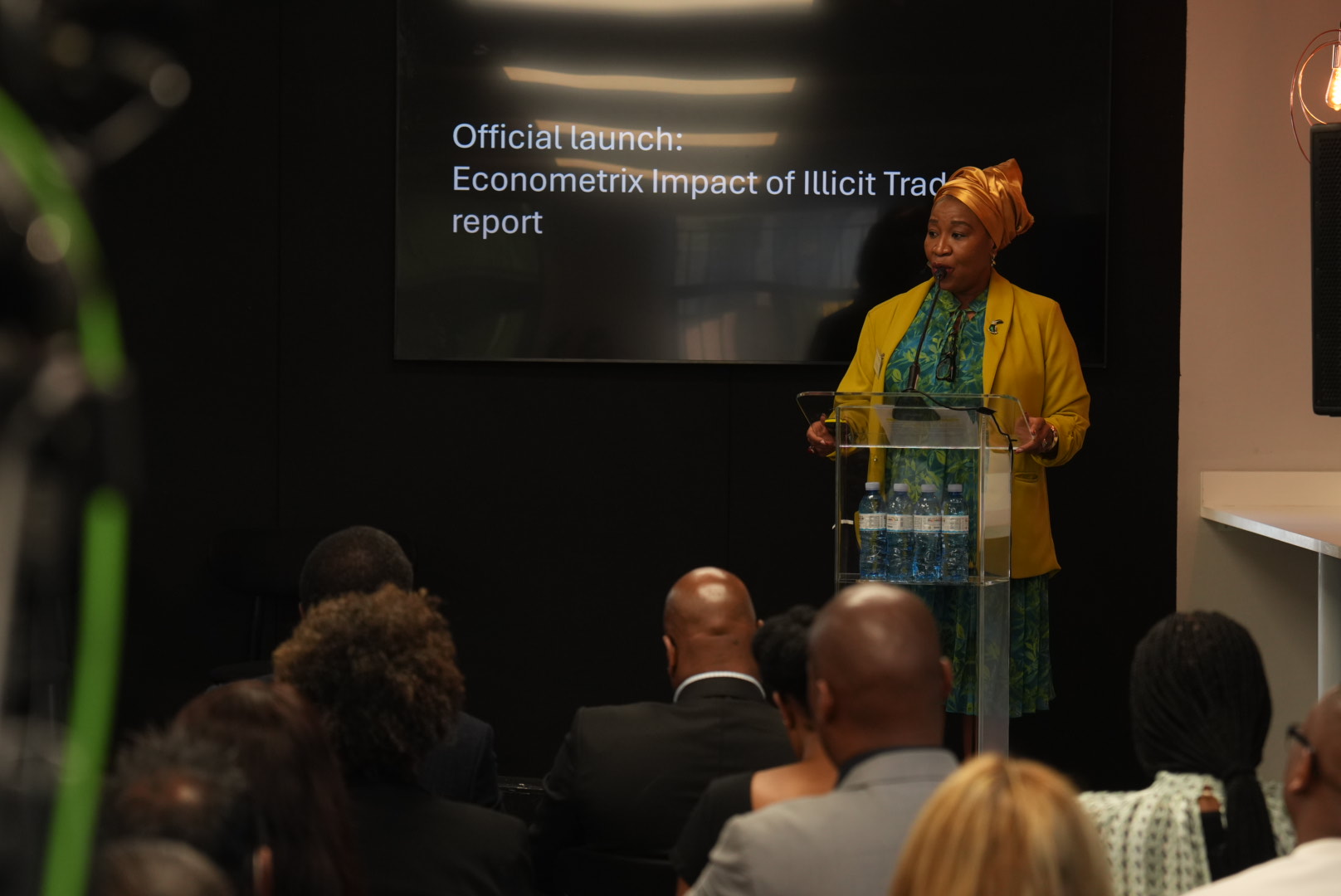
We had the privilege of attending the launch of the first-ever comprehensive Illicit Trade Report commissioned by the Consumer Goods Council of South Africa (CGCSA) and conducted by economic consulting firm ECMX which has been long standing for 44 years and the findings are jaw-dropping.
The study estimates that South Africa’s illicit economy is worth a mind-boggling R280 billion, affecting 12 sectors and contributing to the displacement of more than 87,000 formal jobs. The report also estimates that South Africa’s GDP is R126 billion smaller within the regulated economy because of illicit trade, while legitimate businesses lose an estimated R193 billion in formal production.
This matters because when legitimate businesses lose sales to illegal markets, they may produce less, expand less and create fewer jobs. For young people preparing to enter the workforce, fewer formal jobs means an even tougher road after graduation.

South Africa also loses at least R68 billion in tax revenue every year because of illicit trade. That is money that could help fund education, healthcare, infrastructure, policing, housing and other public services. So, when illicit economic activity grows, the impact is not limited to big companies. It can affect the services and opportunities available to ordinary South Africans.
The study is not just about fake products. The report looked at 12 sectors, including food, clothing, fuel, pharmaceuticals, tobacco, alcohol, cosmetics, mining and toys. That means illicit trade can affect products people encounter in everyday life. Buying an illicit product may seem like a way to save money, especially when you’re a student working with a tight budget. But counterfeit or unregulated products can also expose consumers to health and safety risks. Did you know? Illicit alcohol causes permanent blindness, organ failure, coma, and death due to toxic industrial chemicals like methanol.
There is also a crime connection to the findings. ECMX says illicit trade in several sectors is linked to organised criminal networks involved in activities such as smuggling, counterfeiting, money laundering, customs fraud and corruption. This makes illicit trade more than an economic problem. It is also a concern for national security and governance.
The message from the CGCSA’s #YourChoiceHasPower campaign is simple: consumers have a role to play and that mean You and Me. Before buying suspiciously cheap goods, ask yourself: Is it genuine? Is it safe? Where did it come from? And am I supporting a legitimate business? Every purchase is a choice. The ECMX report shows that tackling illicit trade is not simply about protecting businesses or collecting taxes. It is about protecting jobs, supporting legitimate businesses, strengthening public services and creating a healthier economy for the next generation. For young South Africans, that makes illicit trade more than a headline about R280 billion. It is about the economy we will inherit and the opportunities we will have to build our future.