Boipelo Modise
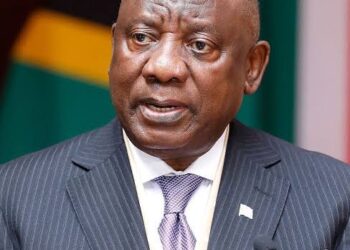
South Africa yesterday commemorated the 50th anniversary of the 1976 Soweto Uprising. Thousands of young people, government leaders, struggle veterans and civil society organisations gathered in Soweto and Nasrec to honour the youth who fought against apartheid education policies. President Cyril Ramaphosa led the national commemoration, held under the theme “RESET @50: Our National Commitment to the Future for Freedom Lives in Every Generation.”
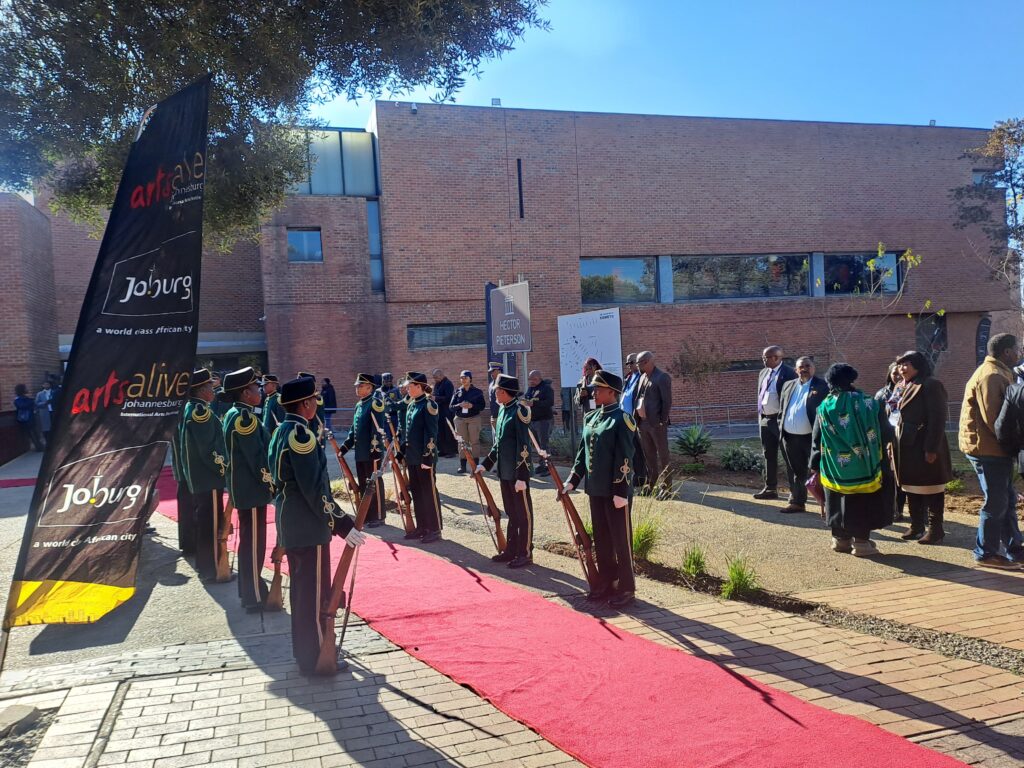
Ahead of the official proceedings at the Hector Pieterson Memorial, Minister in the Presidency for Women, Youth and Persons with Disabilities Sindisiwe Chikunga spoke to the media about the significance of the day.

“The youth of South Africa have always led when it comes to issues of education, but also fighting for their rights,” Chikunga said. She said the legacy of the 1976 generation should continue to push young people to shape the country’s future.
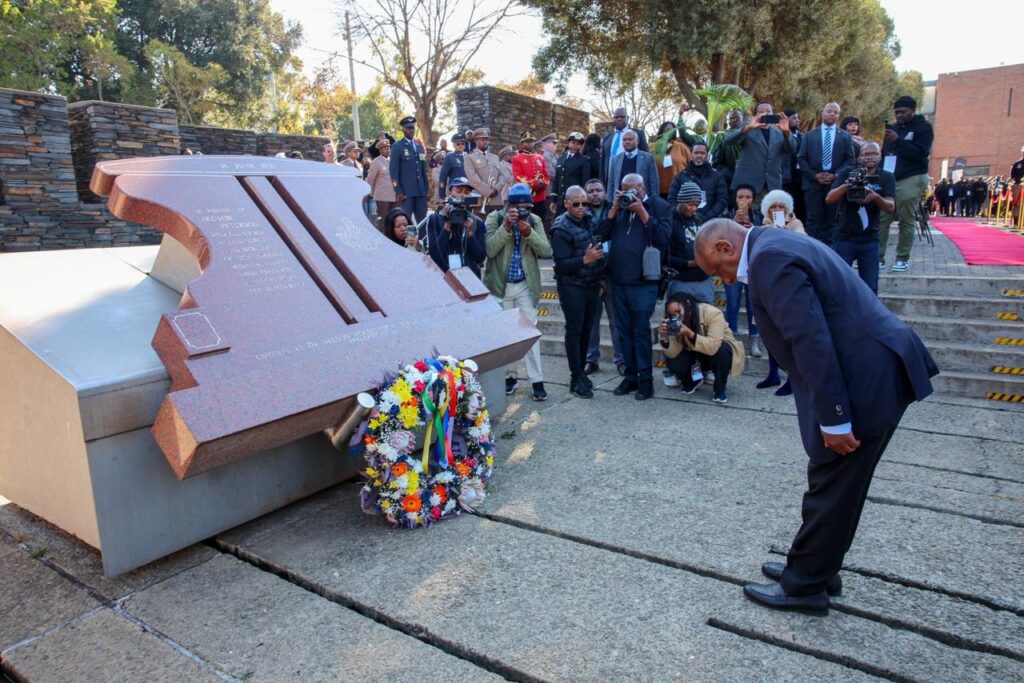
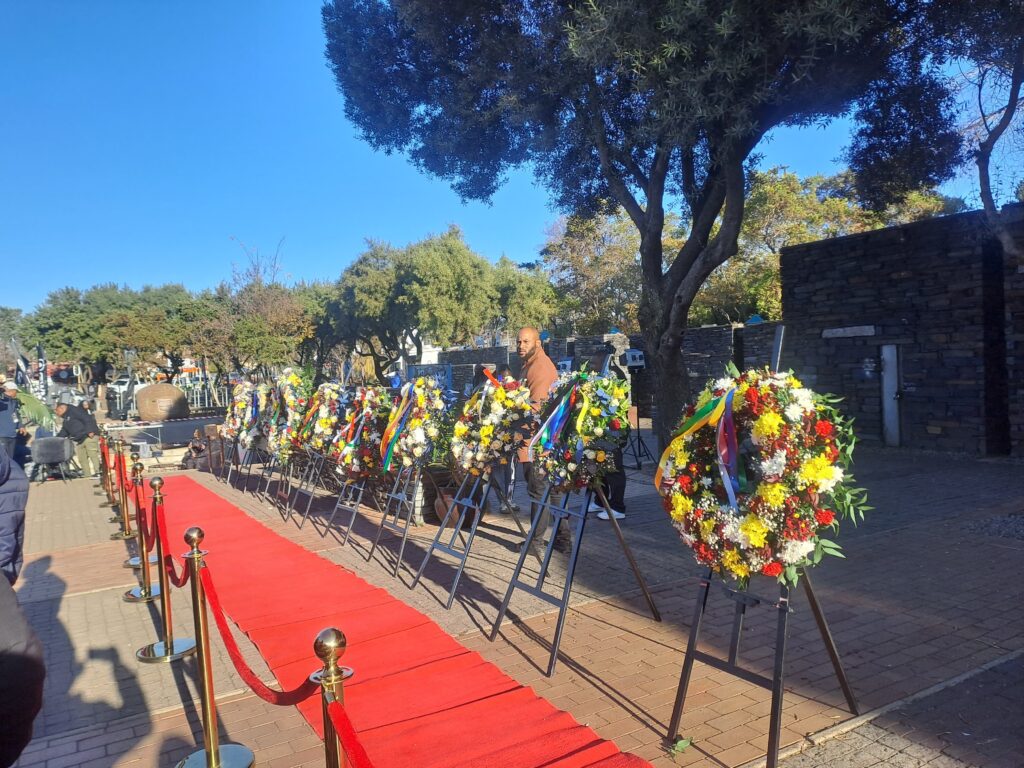
The day began with a wreath-laying ceremony at the Hector Pieterson Memorial in Orlando West, Soweto, where Ramaphosa paid tribute to the young people who lost their lives during the uprising. The ceremony honoured Hector Pieterson and the hundreds of students who were killed after protesting against the apartheid government’s decision to impose Afrikaans as the language of instruction in schools.
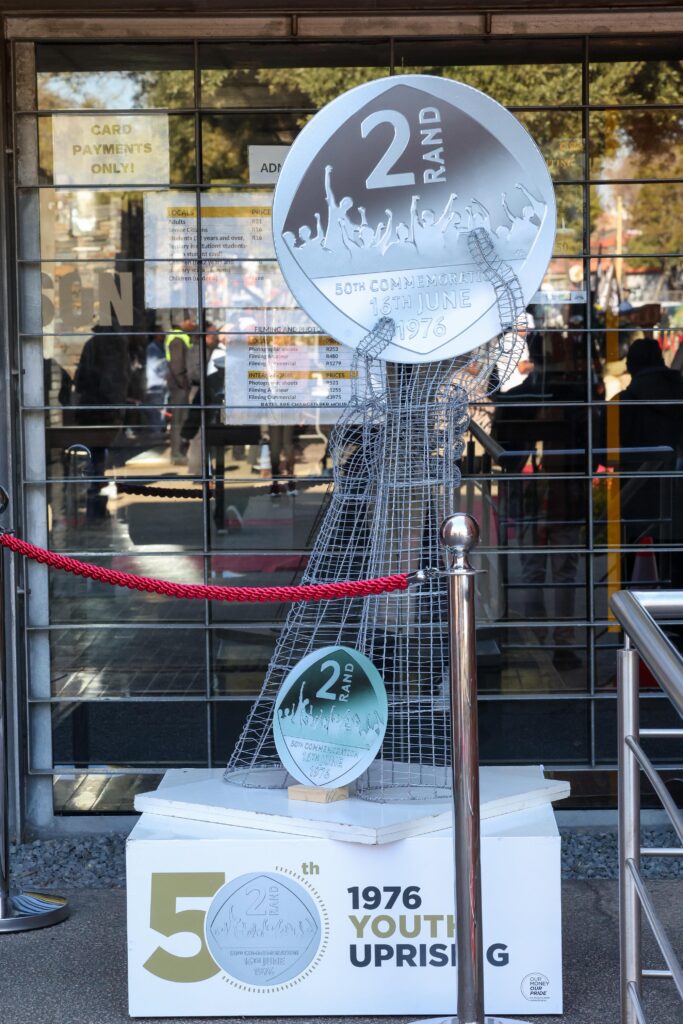
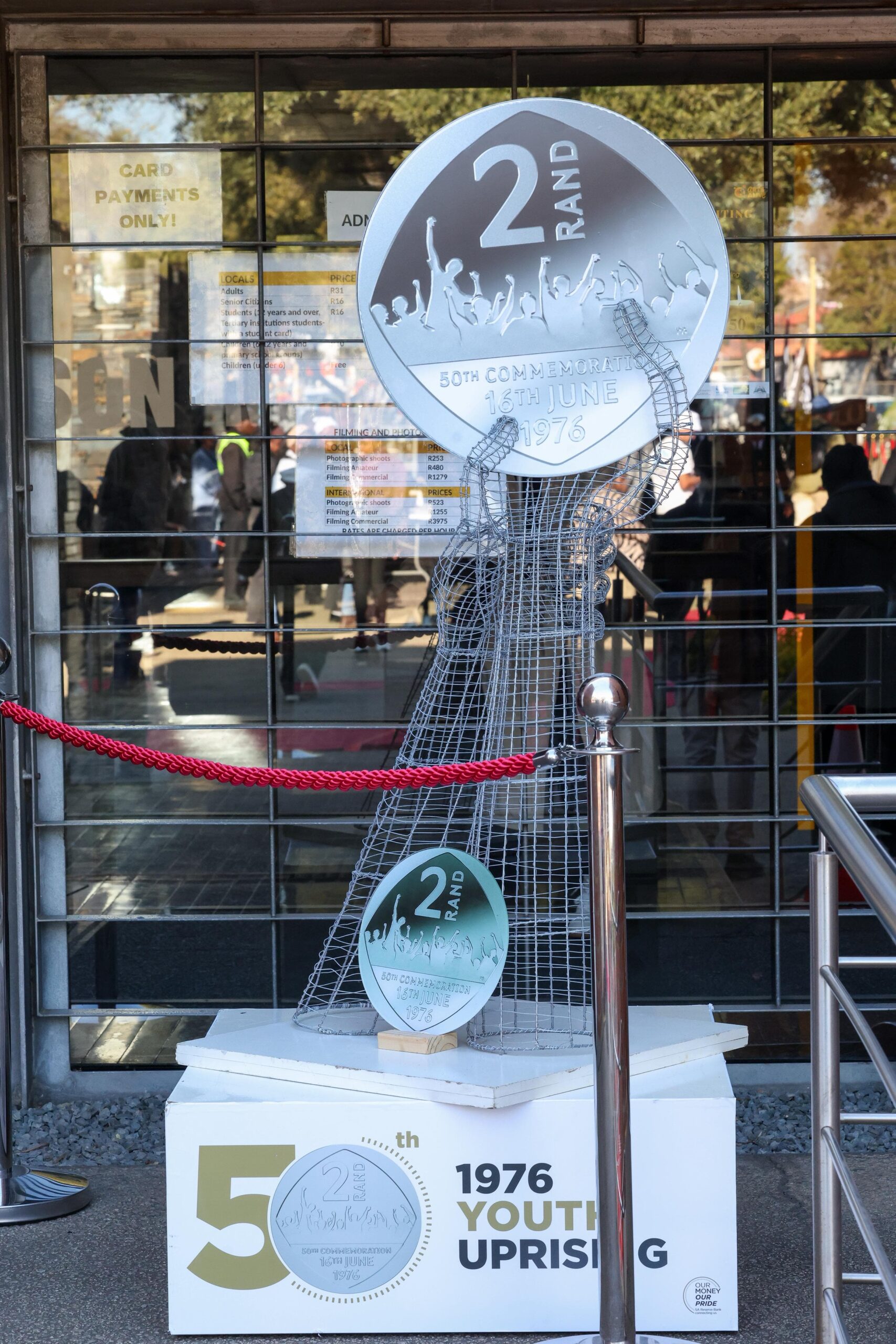
Ramaphosa then unveiled a commemorative R2 coin launched by the South African Reserve Bank to mark the 50th anniversary. The coin features marching students with raised fists. Ramaphosa said the coin was an important reminder of the role young people played in shaping the country’s democracy.
From Orlando West, the main event moved to the FNB Stadium precinct in Nasrec, Johannesburg. Ramaphosa delivered the keynote address to thousands of attendees. He acknowledged that many young South Africans still face unemployment, poverty, inequality and limited economic opportunities. He called on government, business and civil society to work together to create pathways for youth development, education and employment.
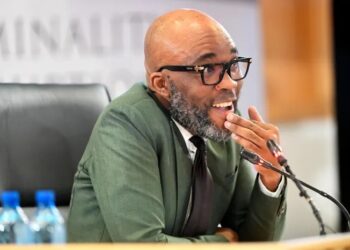
National Youth Development Agency executive chairperson Dr Sunshine Myende said Youth Day should not only be about remembering the sacrifices of 1976.
“We need to find lasting solutions to the challenges confronting today’s youth,” Myende said. “Political freedom has been achieved. But unemployment, poverty and inequality are still the daily reality for too many young people.”
Youth leaders and NYDA representatives also addressed the crowd. Speakers drew parallels between the 1976 struggle for political freedom and the ongoing demand for economic inclusion.